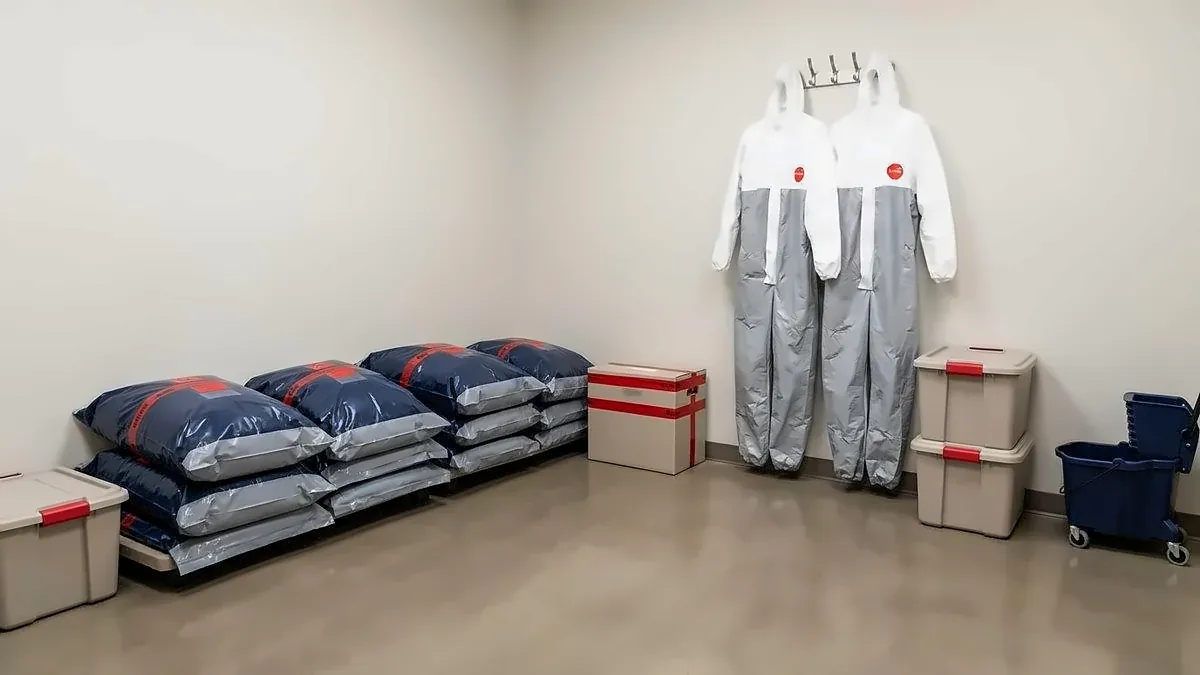
Biohazard cleanup is the safe removal and disinfection of blood, bodily fluids, sewage and other infectious material. Do not clean it yourself. Keep people and pets away, close the area off and call 24/7 to be connected with a trained local company.
What biohazard cleanup involves
Biohazards include blood and other bodily fluids from injuries, trauma or an unattended death, raw sewage, and spaces contaminated by floodwater. These materials can carry bacteria and viruses, and they soak into porous materials like carpet, drywall, mattresses and subfloors where household cleaners do not reach.
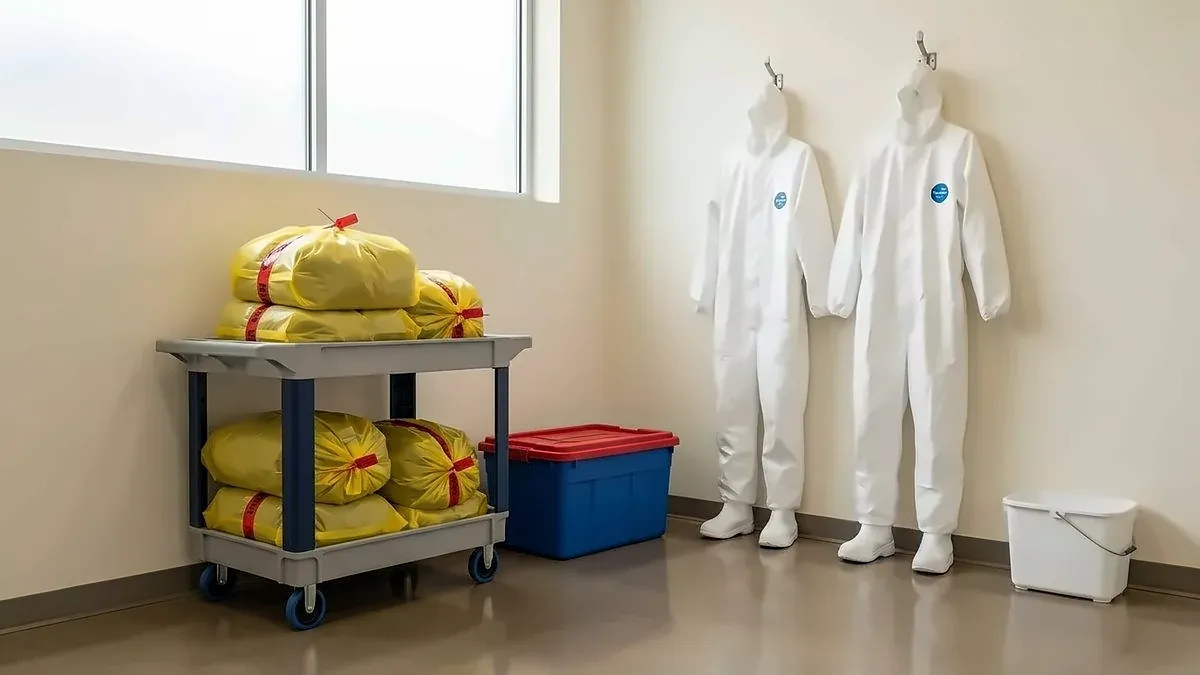
Trained crews wear protective gear, contain the area, remove contaminated materials, disinfect and handle waste properly. Workers who face blood and other potentially infectious materials are covered by the OSHA Bloodborne Pathogens Standard, so ask any company how its technicians are trained. Our 24/7 line connects you with an independent local company that covers your ZIP code, and we are not the contractor.
Signs you may need this service
- Blood or bodily fluids on floors, walls, furniture or bedding
- A strong odor after an unattended death
- Sewage or contaminated water in living areas
- A crime scene or accident scene that has been released by authorities
- Flood water that touched living space
- Needles, sharps or other infectious material left in a property
What happens step by step
- Make sure everyone is safe and call 911 first if anyone is hurt or if law enforcement is involved
- Keep people and pets out and close the area off
- Do not touch, vacuum or wash the material, which can spread it
- Call the 24/7 line and describe the situation and your ZIP code
- The crew assesses, sets up containment and wears protective equipment
- Contaminated materials are removed, bagged and disposed of under the rules for regulated waste
- Surfaces are cleaned and disinfected, odors are treated and the area is checked before it is released
Why this matters in Houston
Texas regulates regulated medical waste through the Texas Commission on Environmental Quality, so crews must handle and dispose of it properly instead of putting it in household trash. Houston's heat and humidity speed odor and bacterial growth, which makes a fast response more important. Many biohazard losses also involve sewage or flooding, so see sewage backup cleanup and flood damage cleanup if that applies to you.
Mistakes that make damage worse
- Cleaning blood or sewage yourself without protective gear
- Using a household vacuum or steam cleaner on contaminated material
- Mixing cleaning chemicals, which can release toxic fumes
- Leaving contaminated carpet or mattresses in place
- Throwing contaminated material in regular trash
Cost considerations
Cost depends on the amount and type of contamination, whether porous materials must be removed, whether the area needs containment and disposal, and how long it takes. Some homeowners and renters policies cover cleanup after a covered event, so call your insurer. Ask for a written scope and proof of training.
How this connects to the rest of your recovery
Whether you live in Baytown, TX or elsewhere, the first call is the same. See Houston water damage restoration for the full process, then mold remediation after water damage if mold or hidden moisture is a concern.
Property owners in Baytown, Galveston and Texas City regularly ask about this kind of loss. Local conditions in each area differ, so check the page for your city to see ZIP codes and the causes we see most often there.
Biohazard scenes often involve water or fire as well. Read sewage backup cleanup, flood damage cleanup, fire and smoke damage restoration and mold remediation if the material sat for days.
Helpful guides
- Water Damage Categories and Classes Explained (IICRC S500)
- How to Choose a Water Damage Restoration Company in Houston
Related services
Sewage Backup Cleanup
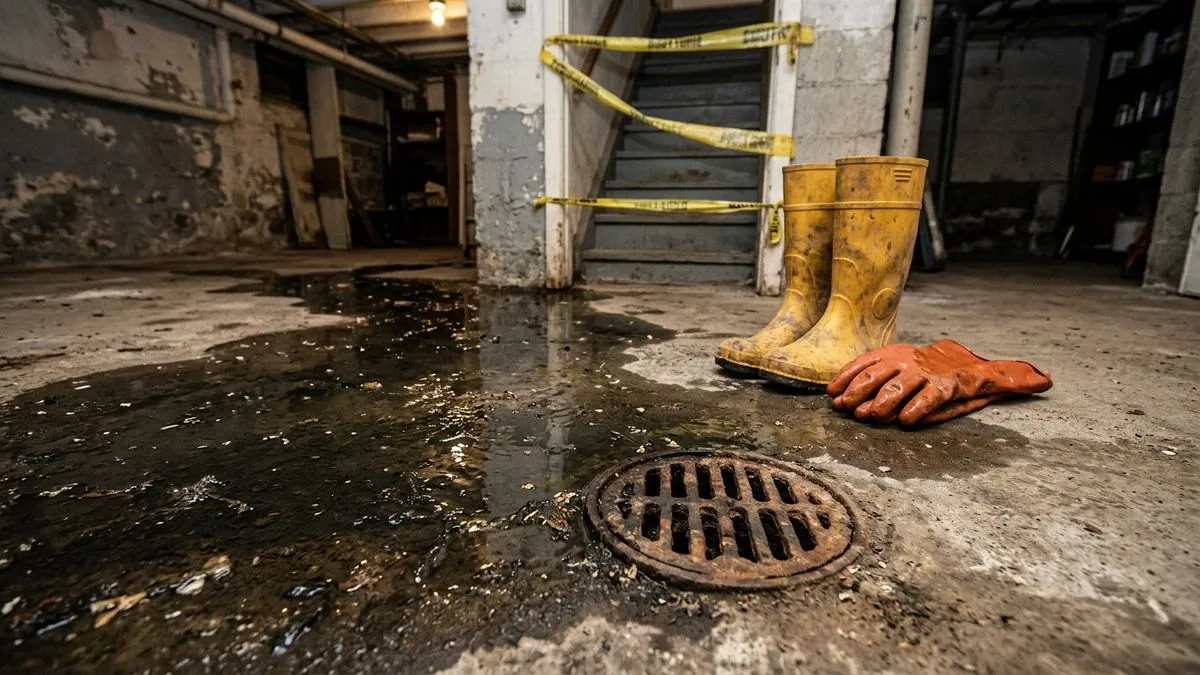
Safe cleanup of sewer backups, drain overflows and contaminated water.
Learn more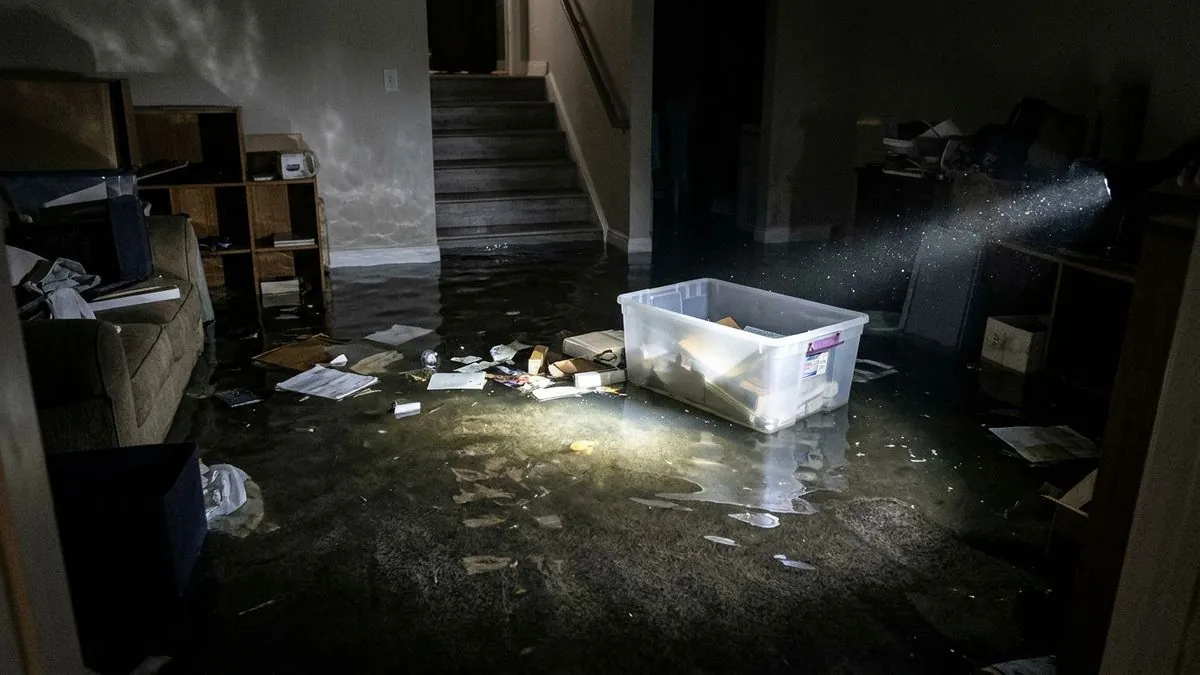
Flood Damage Cleanup
Cleanup, removal and drying after rising water enters a Houston property.
Learn more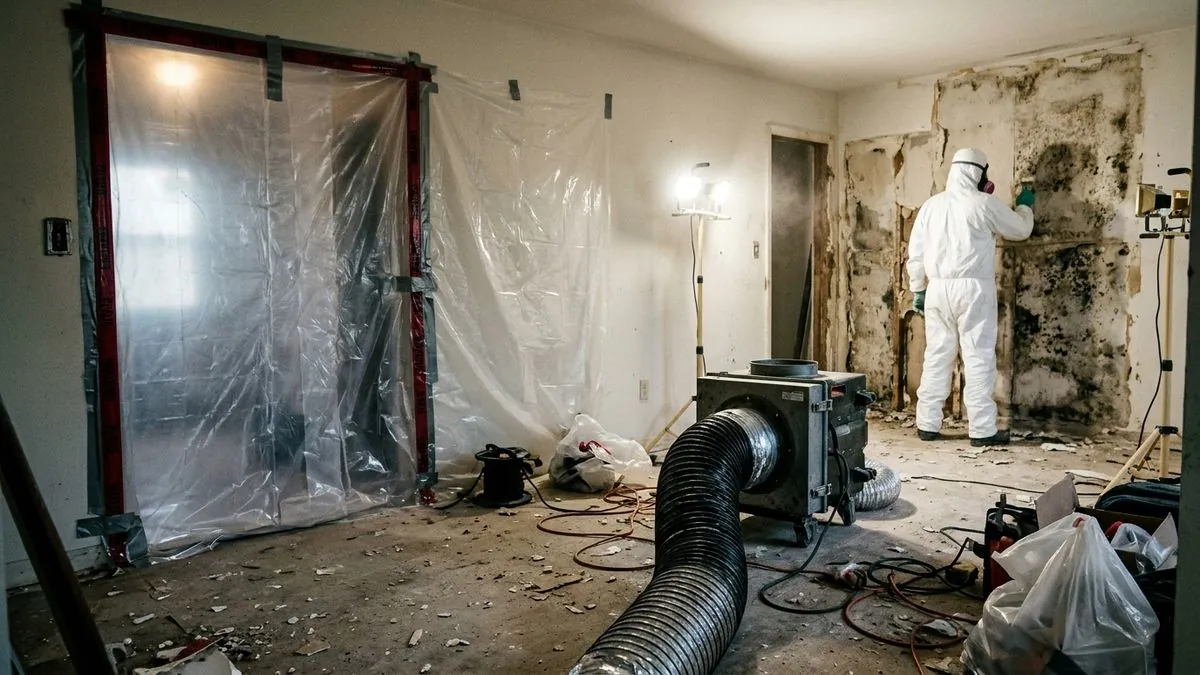
Mold Remediation After Water Damage
Containment, removal and cleaning when mold follows a water loss.
Learn more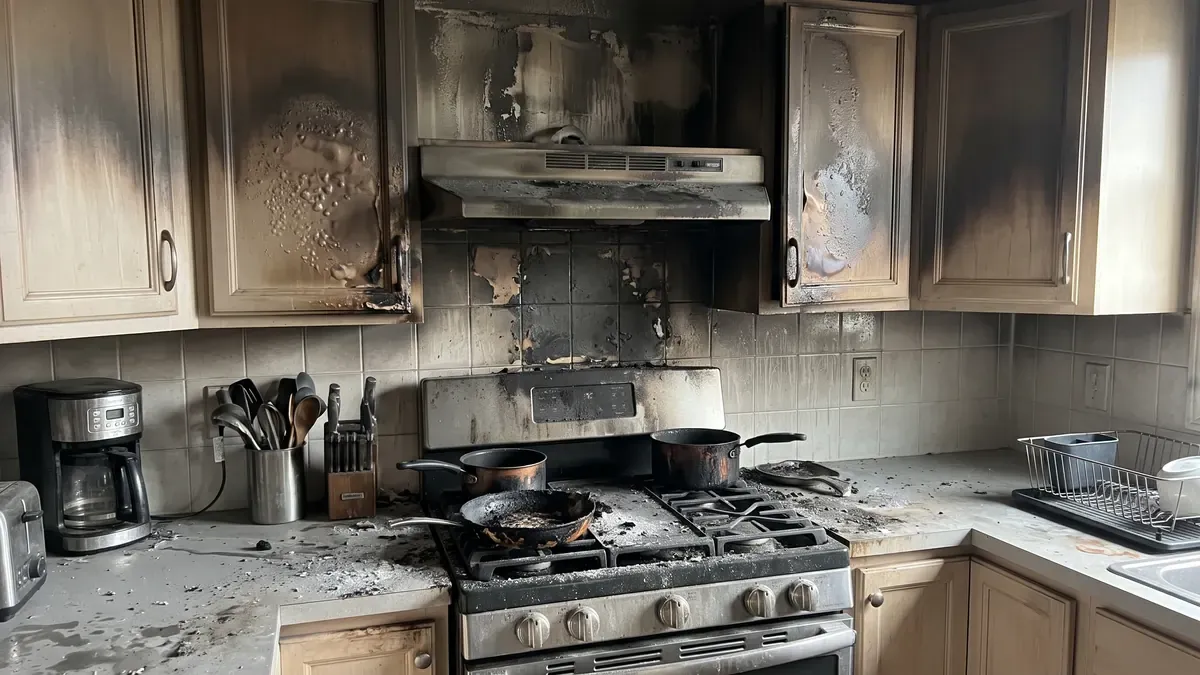
Fire and Smoke Damage Restoration
Soot, smoke odor and structural cleanup after a house, kitchen or business fire.
Learn moreFrequently asked questions
Can I clean biohazards myself?
It is not recommended. Blood, bodily fluids and sewage can carry bacteria and viruses and soak into materials that household products cannot reach. Trained crews use protective equipment and proper disposal.
Is biohazard cleanup available 24/7 in Houston?
Yes. The phone line is open 24/7 and the operator connects you with a local company that covers your ZIP code.
What if there was an unattended death?
Call 911 first, wait for authorities to release the scene, then call for trained cleanup. Do not enter without protection.
Does insurance cover biohazard cleanup?
Some policies cover it after a covered event. Ask your insurer before work starts and keep documentation.
How is the waste disposed of?
Regulated medical waste must be handled and disposed of under Texas rules. Ask the company how it handles waste.
Is support available if this is hard?
If you or someone you know is in crisis, call or text 988, the Suicide and Crisis Lifeline. Cleanup crews work with care and privacy.
Water Damage Restoration Houston is not the contractor. The independent company that arrives sets its own pricing, licenses and terms and does the work. See our disclaimer.