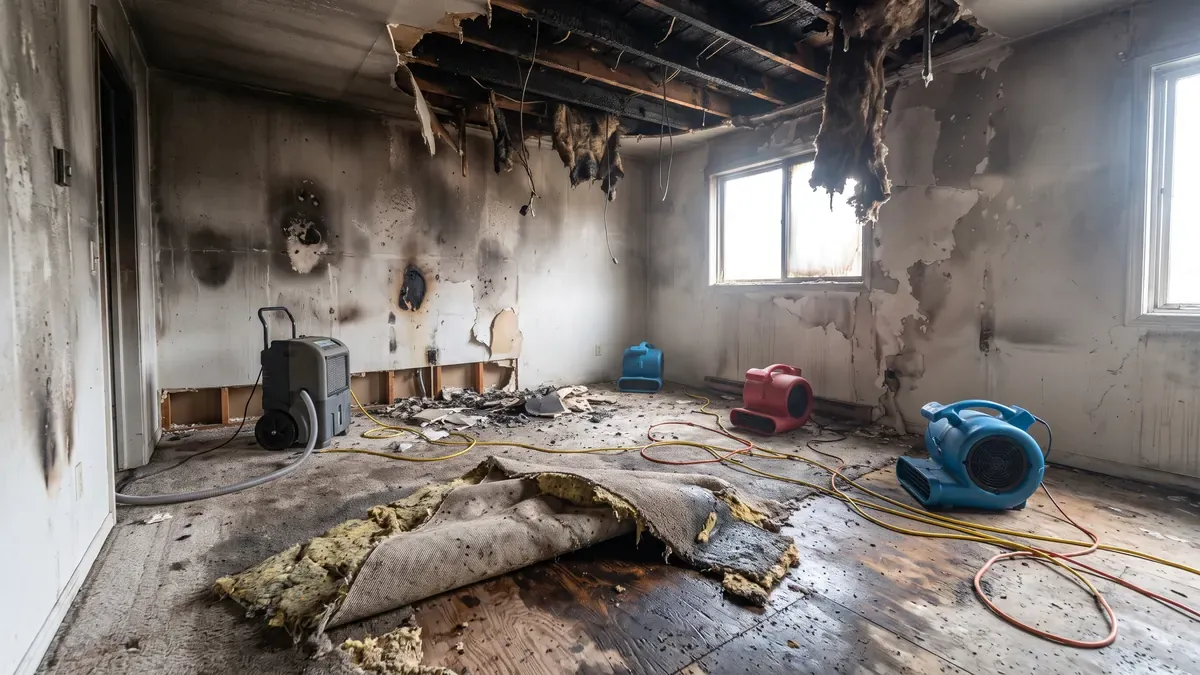
Firefighting water can soak a building as badly as a flood. Remove standing water, tear out wet insulation and drywall, dry the structure with dehumidifiers and watch for mold, because wet soot and wet char make cleanup harder every day they sit.
What water damage after a fire involves
Putting out a fire takes a lot of water. Hoses and sprinklers can add thousands of gallons to a building, and that water runs down through floors and into wall cavities, ceilings and the rooms below the fire. Even areas that never burned can be soaked.
Firefighting water is often mixed with soot, ash and debris, so it is usually treated as contaminated. That changes what can be dried in place and what has to be removed. Read how the fire side of the loss is handled on our page for fire and smoke damage restoration.
Signs you may need this service
- Ceilings sagging or stained below the burned area
- Water standing or running through floors and stairs
- Wet carpet, padding and insulation
- Dark, gritty water or residue on surfaces
- A damp smell mixed with smoke
- Wet walls in rooms the fire never reached
What happens step by step
- Do not enter until the fire department says it is safe and power is confirmed off
- Photograph wet areas and damaged items for your claim
- Extract standing water and remove wet carpet, padding and sagging ceiling material
- Open wall cavities and remove saturated insulation and drywall
- Set air movers and dehumidifiers and record daily moisture readings
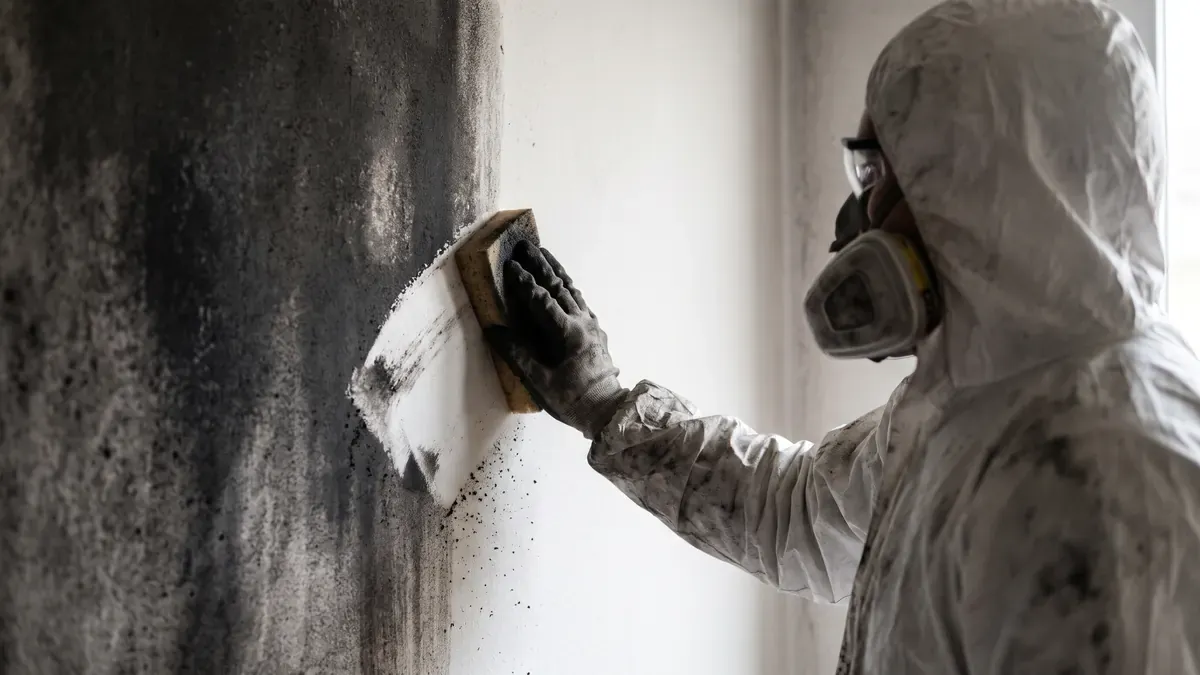
- Clean soot from dried surfaces and treat odors
- Confirm normal moisture readings and consider a mold inspection before rebuilding
Why this matters in Houston
In Houston, warm humid air slows drying, so a soaked fire loss needs dehumidifiers running right away. Many homes are single story on slabs, which means water spreads across the whole floor plan. Multi story homes and townhomes can send water down through floors into neighboring units, which can involve landlords and other insurers.
Mistakes that make damage worse
- Leaving wet insulation and drywall in place for days
- Using fans alone without dehumidification
- Cleaning soot while the surface is still wet, which grinds it in
- Skipping moisture readings before rebuilding
- Assuming rooms away from the fire are fine
Cost considerations
Cost depends on how much of the building got wet, how long the water sat, how much material must be removed and how many drying days are needed. Fire and water are often billed as separate scopes. Ask how the company divides them and whether your insurer will approve both.
How this connects to the rest of your recovery
Most Houston losses involve more than one issue, so read this alongside fire and smoke damage restoration and water extraction. Our main page on water damage restoration in Houston shows every situation we cover and how the process works.
Property owners in Pearland, League City and Baytown regularly ask about this kind of loss. Local conditions in each area differ, so check the page for your city to see ZIP codes and the causes we see most often there.
Wet soot is harder to clean than dry soot. See fire and smoke damage restoration for the cleaning side, structural drying for the equipment and mold inspection and testing before rebuilding.
Helpful guides
- Water Damage Categories and Classes Explained (IICRC S500)
- How Long Does Water Damage Take to Dry in Houston?
Related services
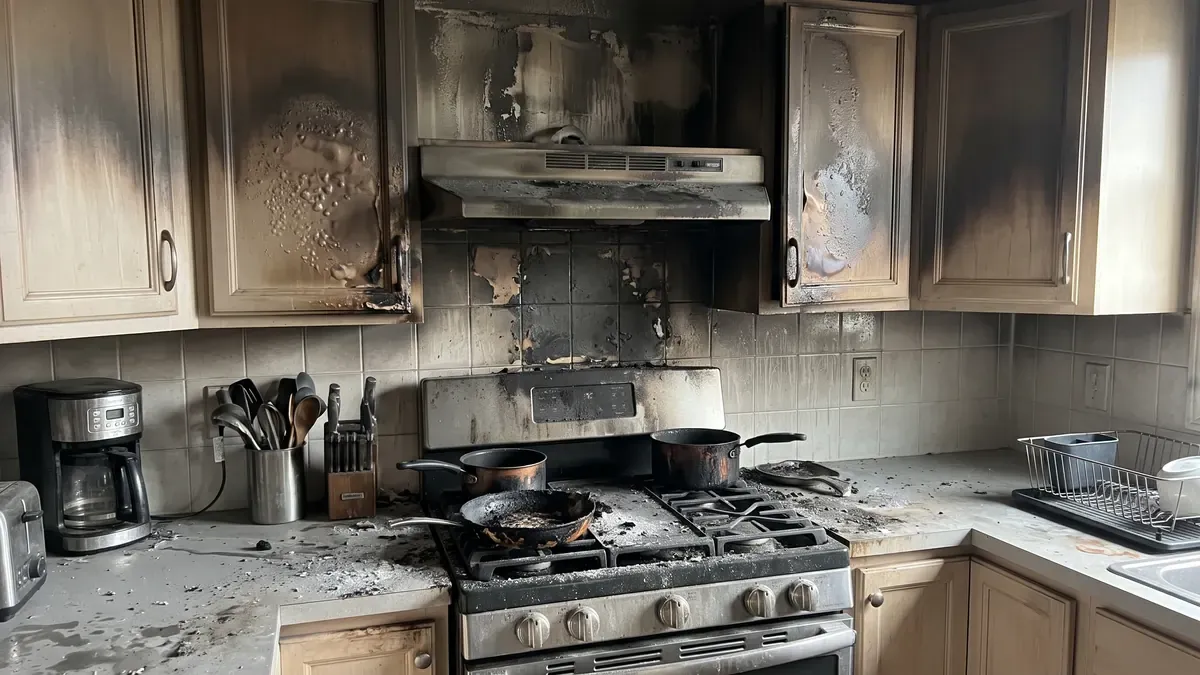
Fire and Smoke Damage Restoration
Soot, smoke odor and structural cleanup after a house, kitchen or business fire.
Learn more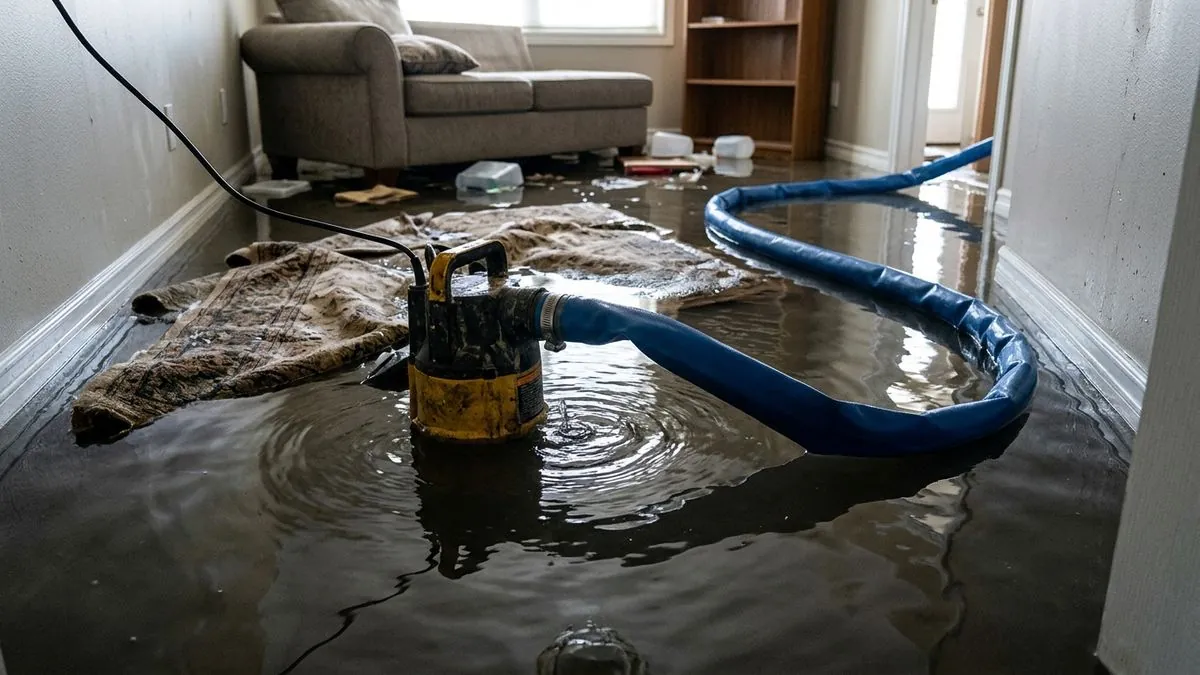
Water Extraction
Pumping out standing water and pulling moisture from carpet, pad and floors.
Learn more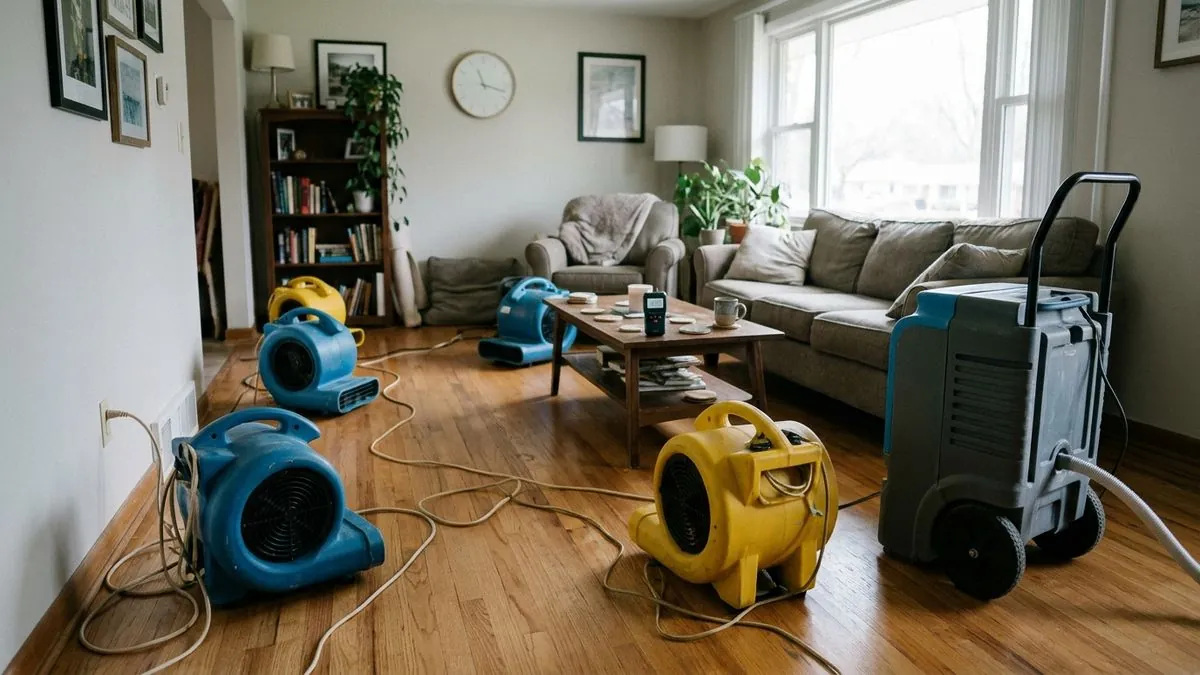
Structural Drying and Dehumidification
Air movers, dehumidifiers and moisture mapping until the building is dry.
Learn more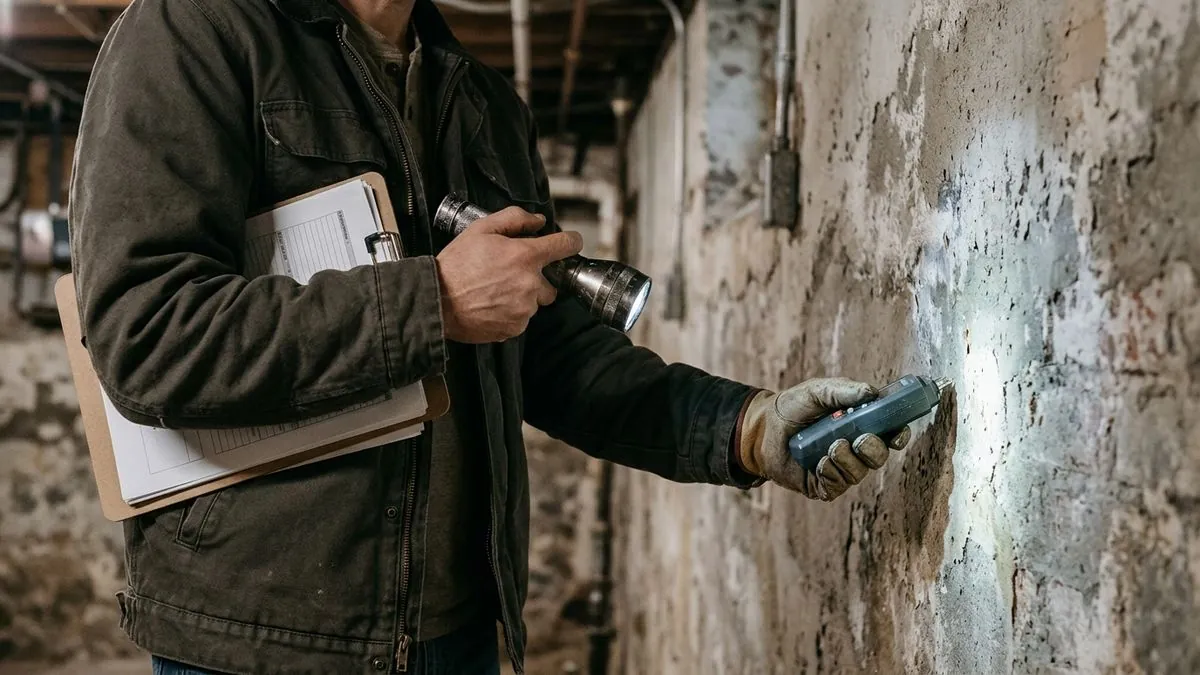
Mold Inspection and Testing
Moisture checks and licensed mold assessment after water damage.
Learn more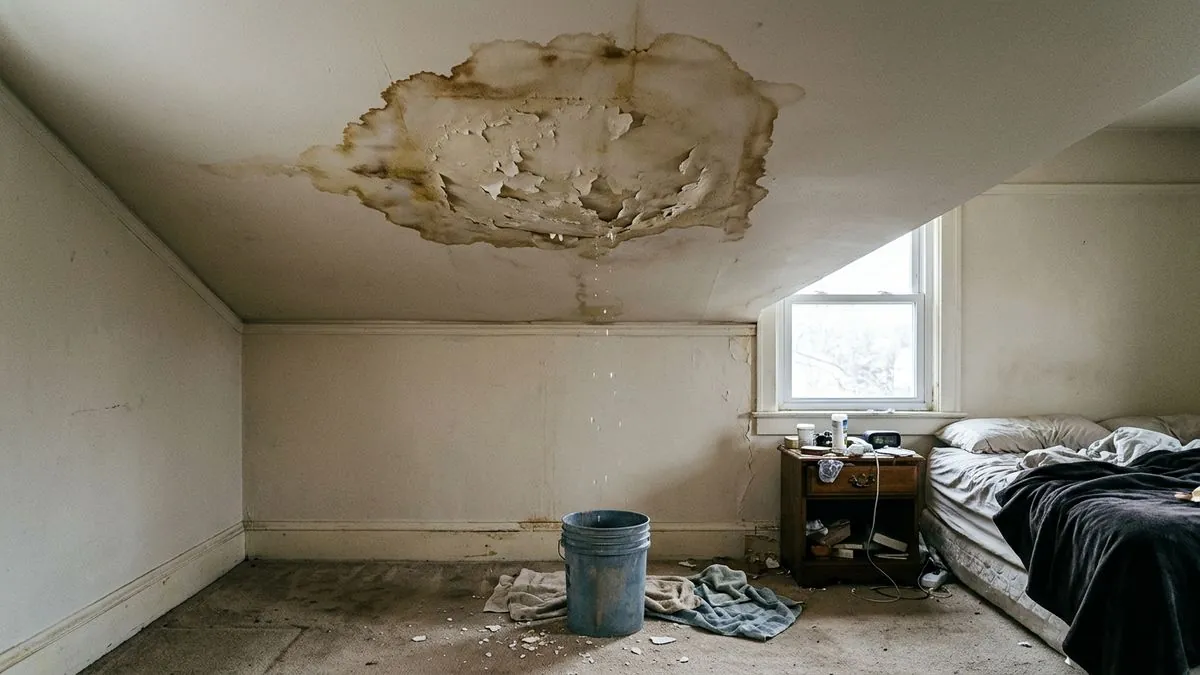
Roof and Ceiling Leak Water Damage
Drying and cleanup after leaks through the roof, attic or ceiling.
Learn moreFrequently asked questions
Is firefighting water covered by homeowners insurance?
Water damage from fighting a covered fire is generally part of the fire loss, but read your policy and talk to your insurer.
Why can't I just let everything dry on its own?
Wet materials hold moisture for days, soot sets, and mold can start within 24 to 48 hours according to the EPA.
Is the water category contaminated?
Firefighting water often carries soot and debris, so crews usually treat it as contaminated. See our guide to water damage categories.
How long does drying take after a fire?
Most structures need several days, and heavy saturation takes longer. Humid Houston weather adds to it.
Do I need a mold inspection afterward?
Consider one if materials stayed wet for more than a day or if a musty smell returns after drying.
Can the same company handle fire and water?
Some can and some cannot. Ask each company to confirm what it covers.
Water Damage Restoration Houston is not the contractor. The independent company that arrives sets its own pricing, licenses and terms and does the work. See our disclaimer.