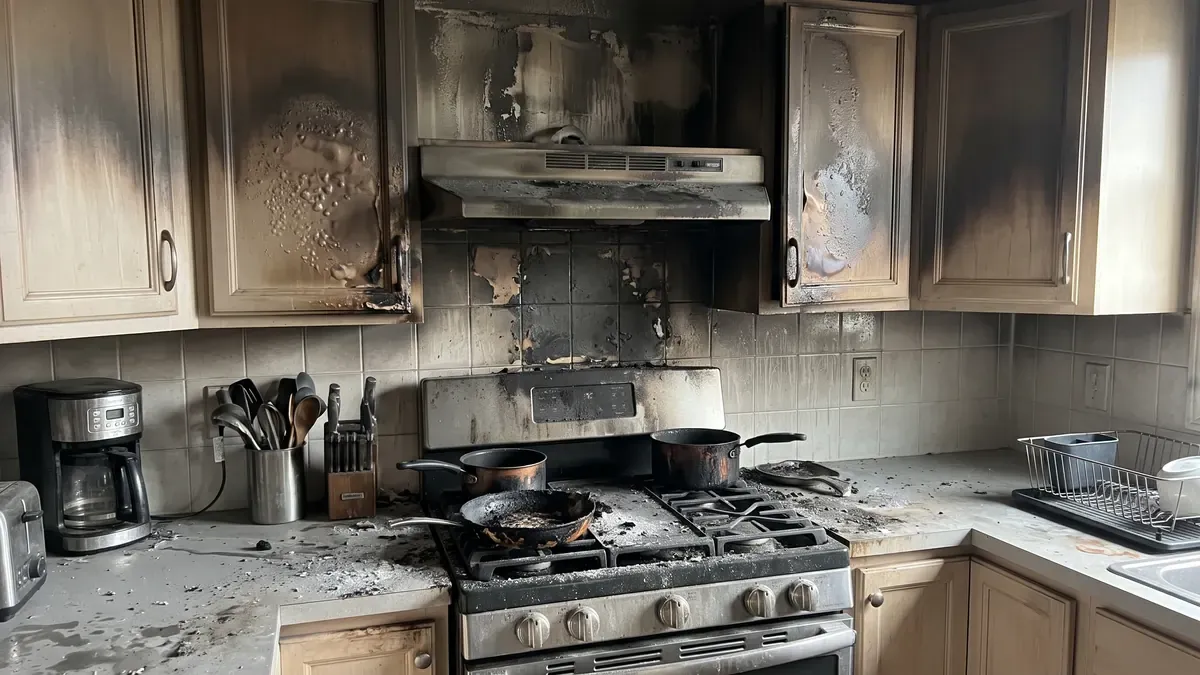
Fire and smoke damage restoration in Houston covers board up, soot and smoke cleanup, odor removal, contents cleaning and the drying that follows firefighting water. Stay out until the fire department says the building is safe, call your insurer, then call our 24/7 line.
What fire and smoke damage restoration involves
A fire leaves three kinds of damage: flame and heat damage to the structure, soot and smoke residue on every surface, and water from hoses and sprinklers. Each one needs a different method, and they get worse the longer they sit. Soot is acidic and can etch metal, stain grout and discolor finishes within days.
Our 24/7 line connects you with an independent local restoration company that covers your ZIP code. We are not the contractor, so the company that arrives sets its own pricing and explains its scope before work starts. Because most fires also soak the building, read about water damage after a fire alongside this page.
Signs you may need this service
- Visible soot on walls, ceilings, vents or inside cabinets
- A smoke smell that stays after the fire is out
- Charred framing, broken windows or an open roof
- Wet insulation, ceilings or floors from firefighting water
- Black residue that smears when touched
- Electronics, HVAC and appliances that were exposed to smoke
What happens step by step
- Wait for the fire department to confirm the building is safe before going inside
- Call your insurance company and photograph the damage from outside and, once allowed, inside
- Board up openings and tarp the roof so rain and thieves stay out
- Remove standing water and start drying so mold does not follow the fire
- Test the soot type and clean surfaces from the top down using dry and wet methods
- Pack out, clean and store salvageable contents
- Deodorize with air scrubbers, thermal fogging or hydroxyl equipment and clean the HVAC system
- Plan rebuilding after surfaces are clean and moisture readings are normal
Why this matters in Houston
Houston's heat and humidity speed up the second wave of damage after a fire. Soaked drywall and insulation can grow mold within a day or two, and soot mixes with moisture to stain and corrode faster. Kitchen fires, electrical faults, space heaters during cold snaps and storm related power problems are common causes. After a fire, the Houston Fire Department decides when it is safe to re enter, and the American Red Cross can help displaced residents with short term needs.
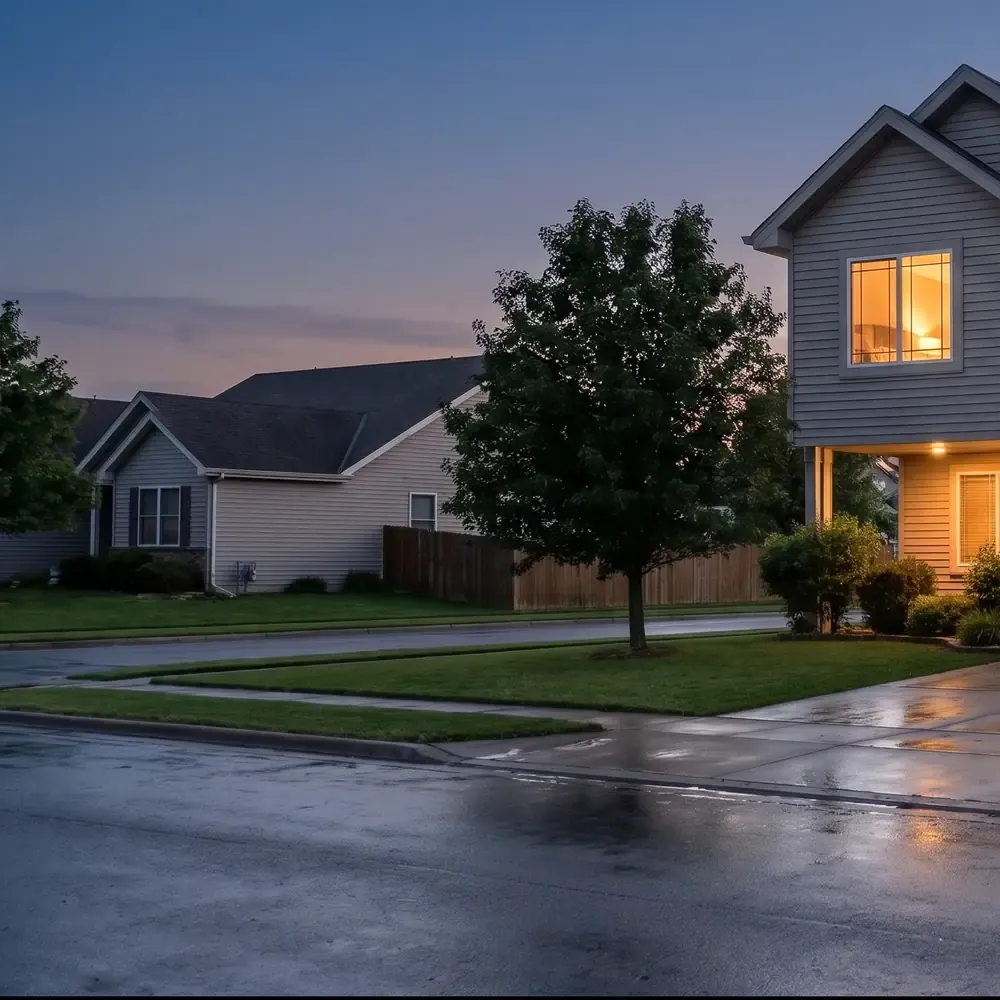
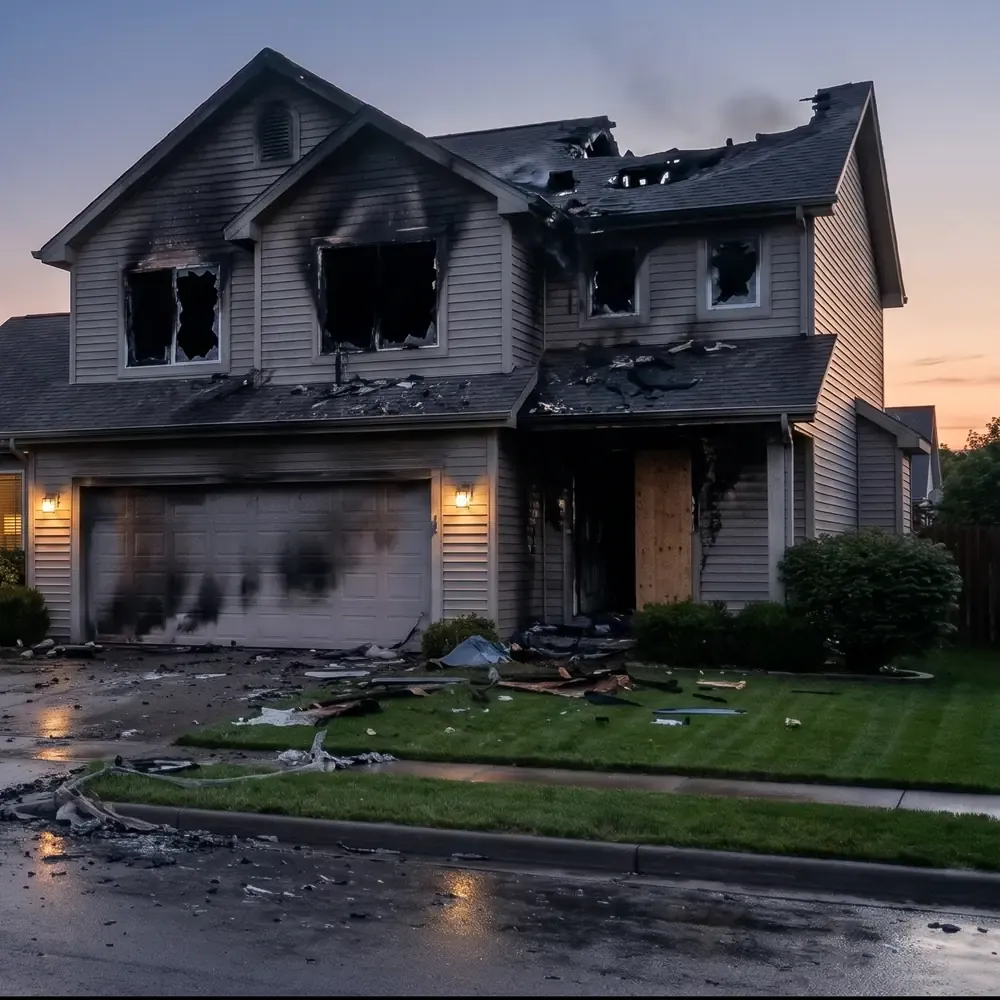 BeforeAfter
Mistakes that make damage worse
- Going back inside before the fire department says it is safe
- Wiping soot with a wet cloth, which smears it deeper into the surface
- Turning on the HVAC system, which spreads smoke through the home
- Eating food, or using cookware, that was exposed to heat or smoke
- Throwing items away before photographing and listing them for your claim
Cost considerations
Fire restoration cost depends on how far smoke traveled, the amount of soot, the surfaces involved, how much contents cleaning is needed and how much water must be dried. A kitchen fire costs far less than a whole house fire. Ask for a written scope, ask how contents will be inventoried and ask whether the company bills your insurer directly.
How this connects to the rest of your recovery
Fire and Smoke Damage Restoration is one part of our wider Houston water damage cleanup coverage. If the damage spread beyond this problem, water damage after a fire and structural drying and dehumidification explain the next steps.
Property owners in Conroe, Tomball and Pearland regularly ask about this kind of loss. Local conditions in each area differ, so check the page for your city to see ZIP codes and the causes we see most often there.
Fire is almost always followed by water and then mold. Read water damage after a fire, structural drying, mold inspection and testing and, if the scene involved injury or contamination, biohazard cleanup.
Helpful guides
- Does Homeowners Insurance Cover Water Damage in Texas?
- How to Choose a Water Damage Restoration Company in Houston
Related services
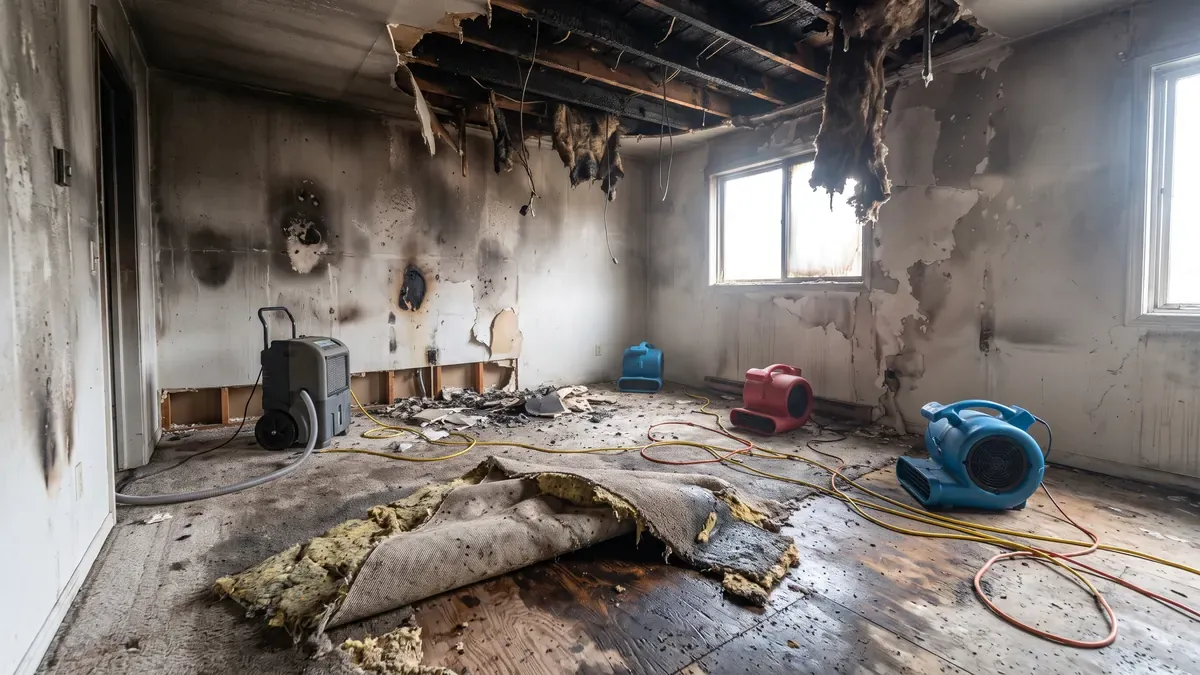
Water Damage After a Fire
Drying and cleanup after hoses and sprinklers soak a burned building.
Learn more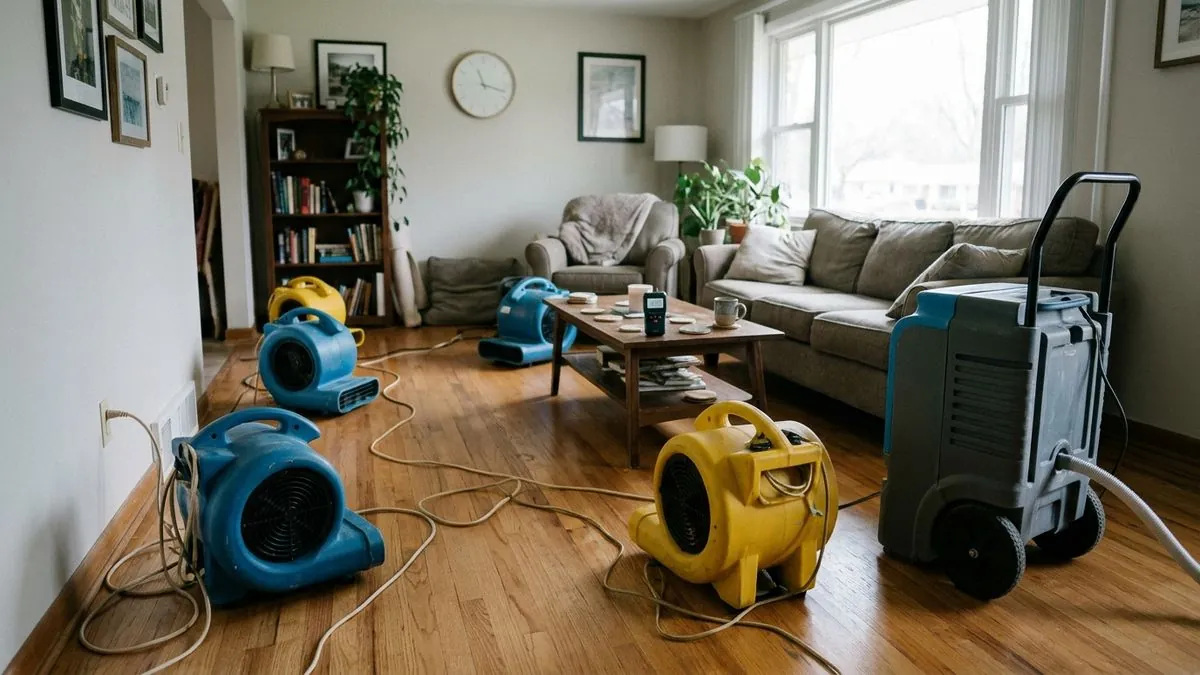
Structural Drying and Dehumidification
Air movers, dehumidifiers and moisture mapping until the building is dry.
Learn more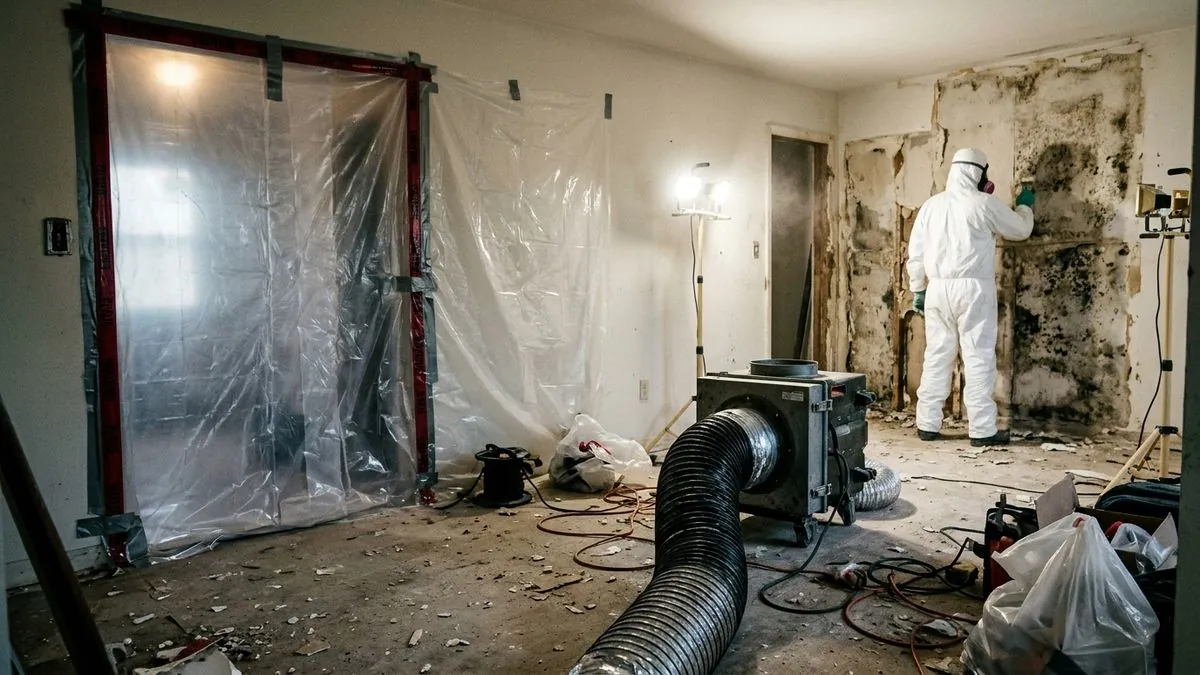
Mold Remediation After Water Damage
Containment, removal and cleaning when mold follows a water loss.
Learn more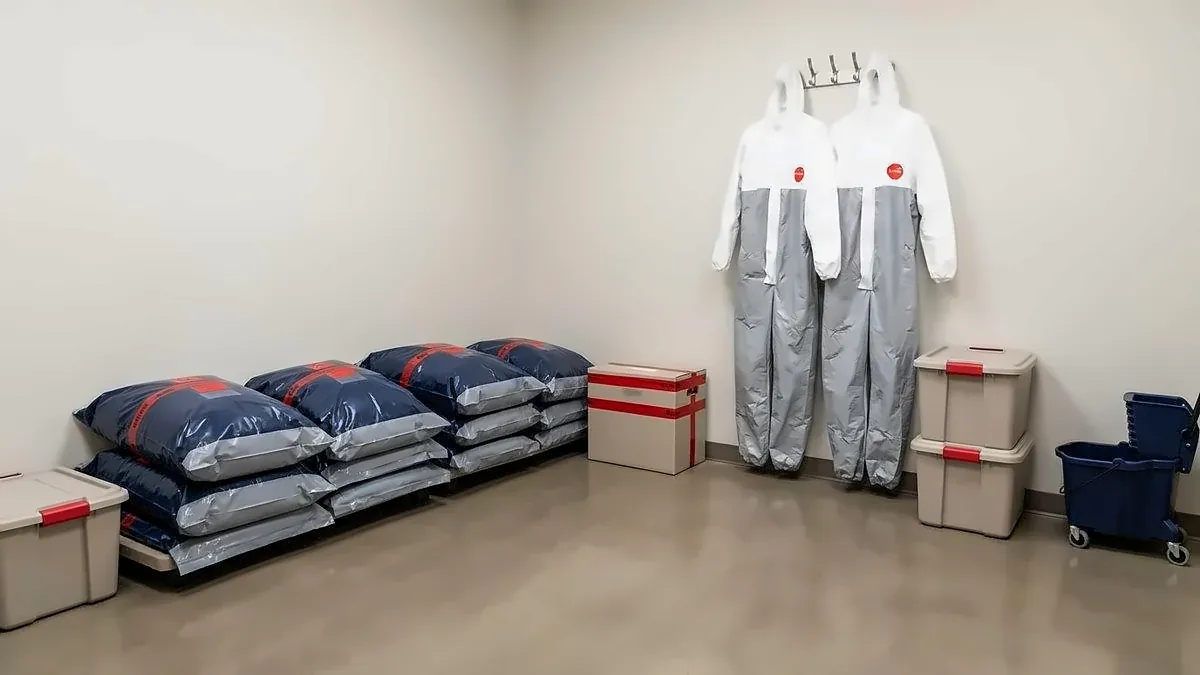
Biohazard Cleanup
Safe cleanup of blood, bodily fluids, trauma scenes and contaminated spaces.
Learn more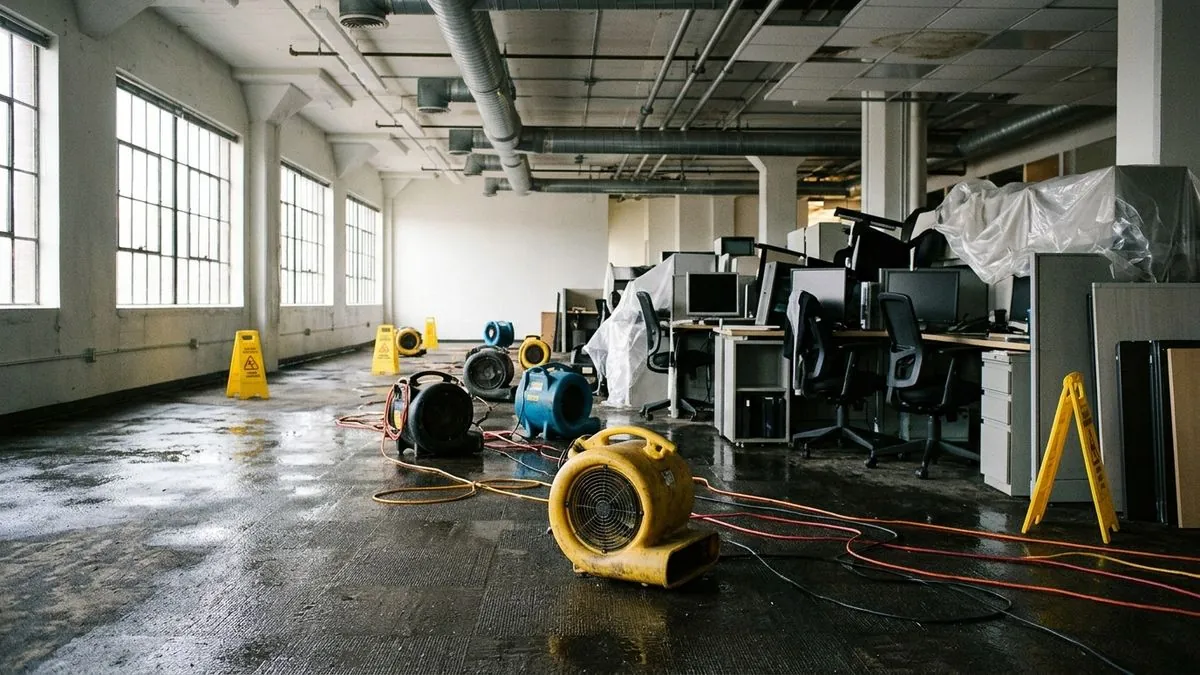
Commercial Water Damage Restoration
Water loss response for offices, retail, restaurants and apartment buildings.
Learn moreFrequently asked questions
How soon should fire damage cleanup start?
As soon as the fire department releases the property. Soot and smoke residue damage surfaces within days, and wet materials can grow mold in one to two days.
Can smoke smell be fully removed?
Often yes when the source residue is cleaned first and then the air and surfaces are treated. Deodorizing without cleaning the soot usually brings the smell back.
Is the water from the fire hose dangerous?
It can be contaminated with soot and debris, and it soaks insulation and drywall. See our page on water damage after a fire.
What happens to my belongings?
Salvageable items can be packed out, cleaned and stored while the structure is repaired. Items that cannot be cleaned are documented for your claim.
Is fire restoration available 24/7 in Houston?
Yes. The phone line is open 24/7 and the operator connects you with a local company that covers your ZIP code.
Do I call 911 first?
Yes. Call 911 for any active fire, injury or gas smell before you call for restoration.
Water Damage Restoration Houston is not the contractor. The independent company that arrives sets its own pricing, licenses and terms and does the work. See our disclaimer.