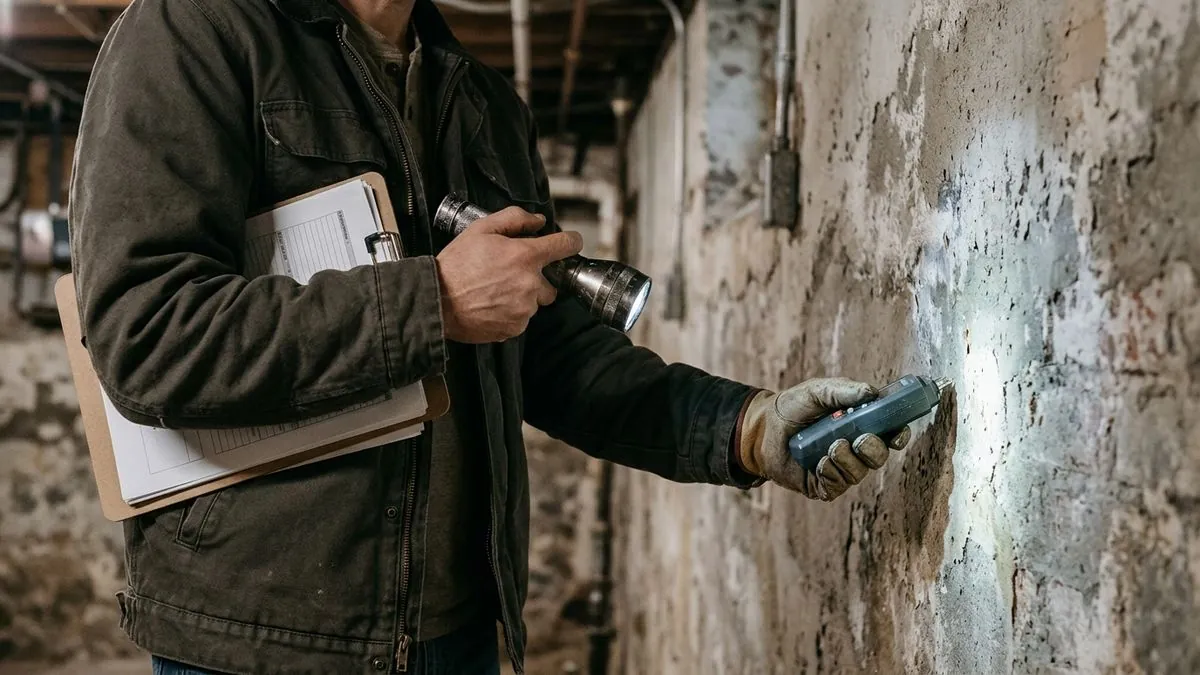
A mold inspection looks for moisture and visible growth, and a Texas licensed mold assessor can sample air or surfaces and write a remediation protocol. Inspect after any water loss that stayed wet for more than a day or when a musty smell returns.
What mold inspection and testing involves
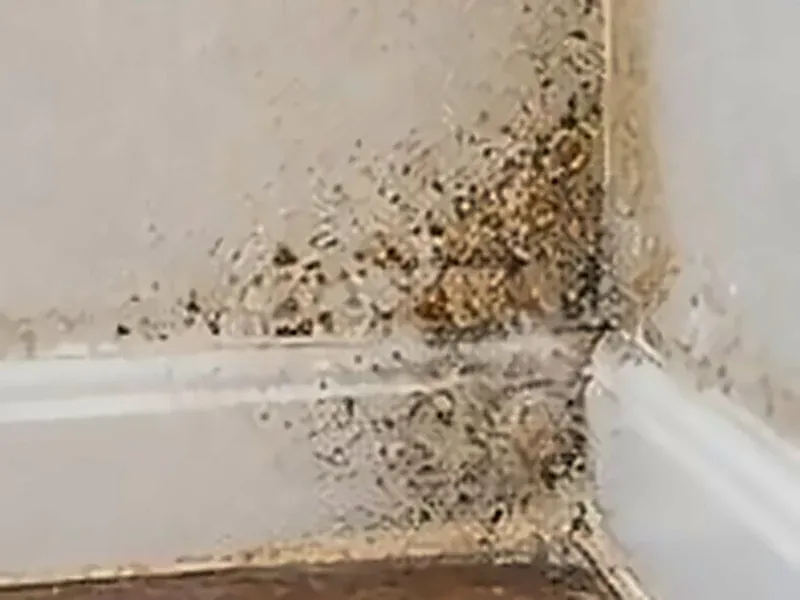
Testing answers where the mold is, how much there is and why it is growing. Without the moisture source, cleaning only brings the mold back.
In Texas, mold assessment is a licensed activity. Assessors do not perform the cleanup on the same project, which keeps testing independent.
Signs you may need this service
- Odor with no visible source
- Water stains that return
- Recent flood or leak that sat wet
- Health complaints that improve away from home
- Visible growth near a leak
What happens step by step
- Visual inspection and moisture mapping
- Thermal imaging for hidden moisture
- Air or surface sampling when warranted
- Written report and protocol for remediation
- Clearance testing after cleanup
Why this matters in Houston
Humidity inside Houston homes often exceeds recommended levels in summer. Keep indoor humidity under 60 percent, and ideally between 30 and 50 percent, as the EPA advises.
Mistakes that make damage worse
- Testing without fixing the leak
- Using a company that both tests and removes on the same job
- Relying on cheap home test kits alone
- Ignoring hidden cavities
Cost considerations
Inspection and testing are billed by the assessor and vary by home size and number of samples. Ask what is included and whether a written protocol is provided.
How this connects to the rest of your recovery
Most Houston losses involve more than one issue, so read this alongside mold remediation after water damage and structural drying and dehumidification. Our main page on professional water damage restoration near Houston shows every situation we cover and how the process works.
Property owners in Sugar Land, Katy and Spring regularly ask about this kind of loss. Local conditions in each area differ, so check the page for your city to see ZIP codes and the causes we see most often there.
Once an assessor writes a protocol, mold remediation follows it. If the moisture came from firefighting water, read water damage after a fire. Sewage or flood contamination is covered in biohazard cleanup.
Helpful guides
- Mold After Water Damage in Houston: What to Do and Texas Rules
- AC Leak Water Damage in Houston Homes: Causes and Fixes
Related services
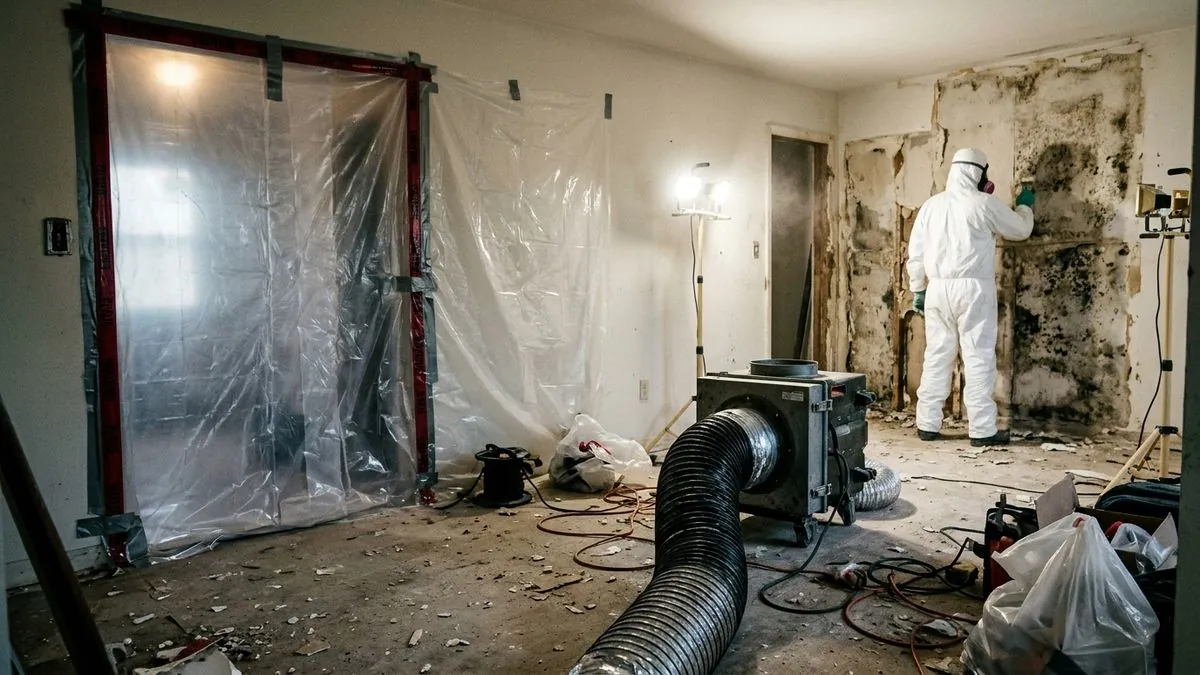
Mold Remediation After Water Damage
Containment, removal and cleaning when mold follows a water loss.
Learn more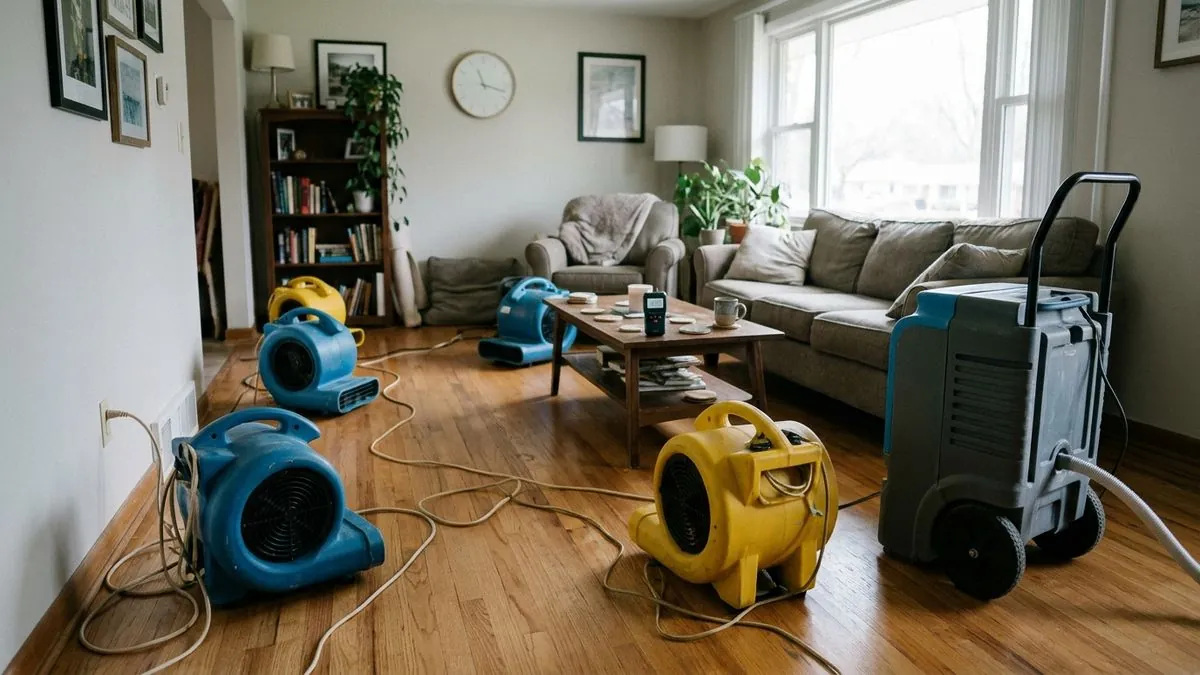
Structural Drying and Dehumidification
Air movers, dehumidifiers and moisture mapping until the building is dry.
Learn more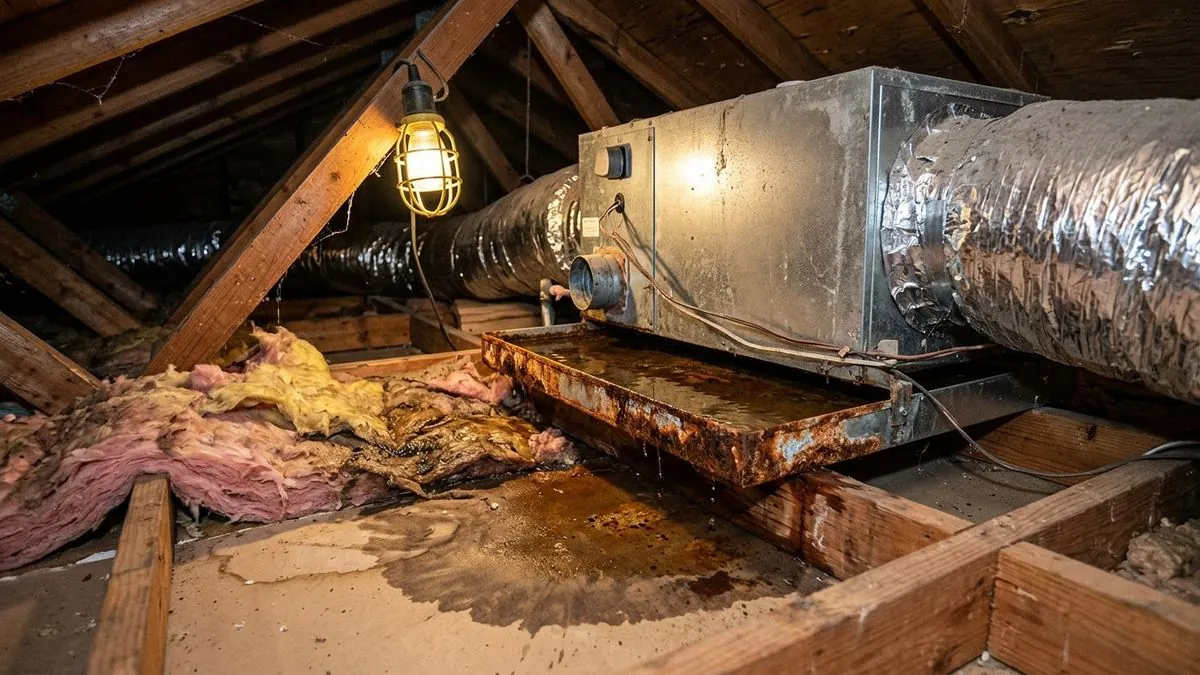
AC Leak Water Damage
Condensate overflow and clogged drain lines from Houston air conditioners.
Learn more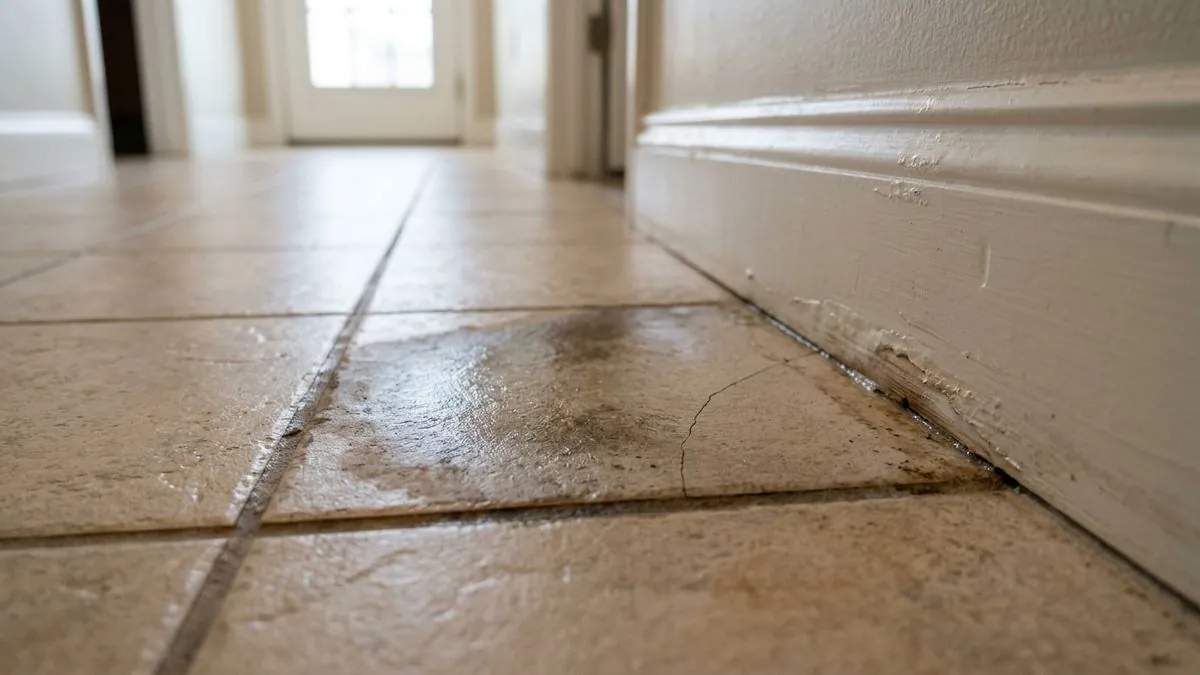
Slab Leak Water Damage
Hidden leaks under a concrete slab that soak floors and subfloors.
Learn more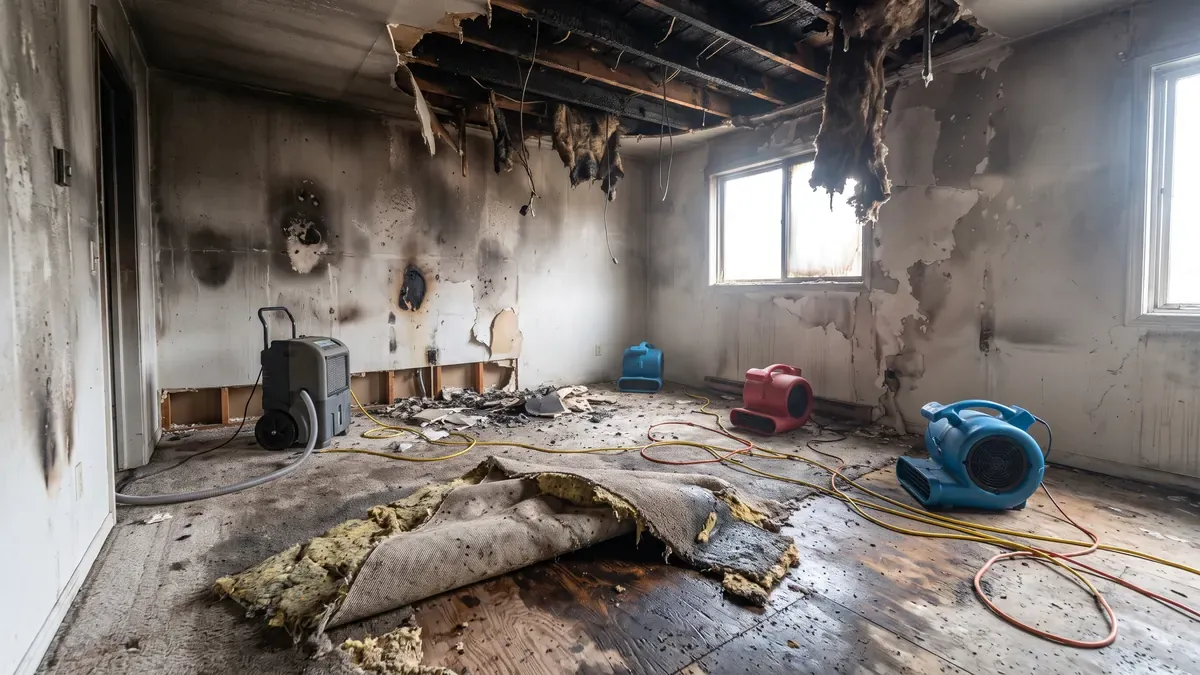
Water Damage After a Fire
Drying and cleanup after hoses and sprinklers soak a burned building.
Learn moreFrequently asked questions
Is mold testing necessary?
Not always. If mold is visible, testing may not add much. Testing helps when mold is suspected but hidden or when you need documentation.
Who does mold testing in Texas?
A TDLR licensed mold assessment consultant or technician.
How much does mold inspection cost in Houston?
Prices vary with home size and samples. Ask for a written estimate.
How long do results take?
Often a few days for lab results.
Is mold inspection available near me in Houston?
Yes, call or use the contact form to be connected.
Will insurance pay for testing?
Sometimes when tied to a covered loss. Ask your insurer.
Water Damage Restoration Houston is not the contractor. The independent company that arrives sets its own pricing, licenses and terms and does the work. See our disclaimer.